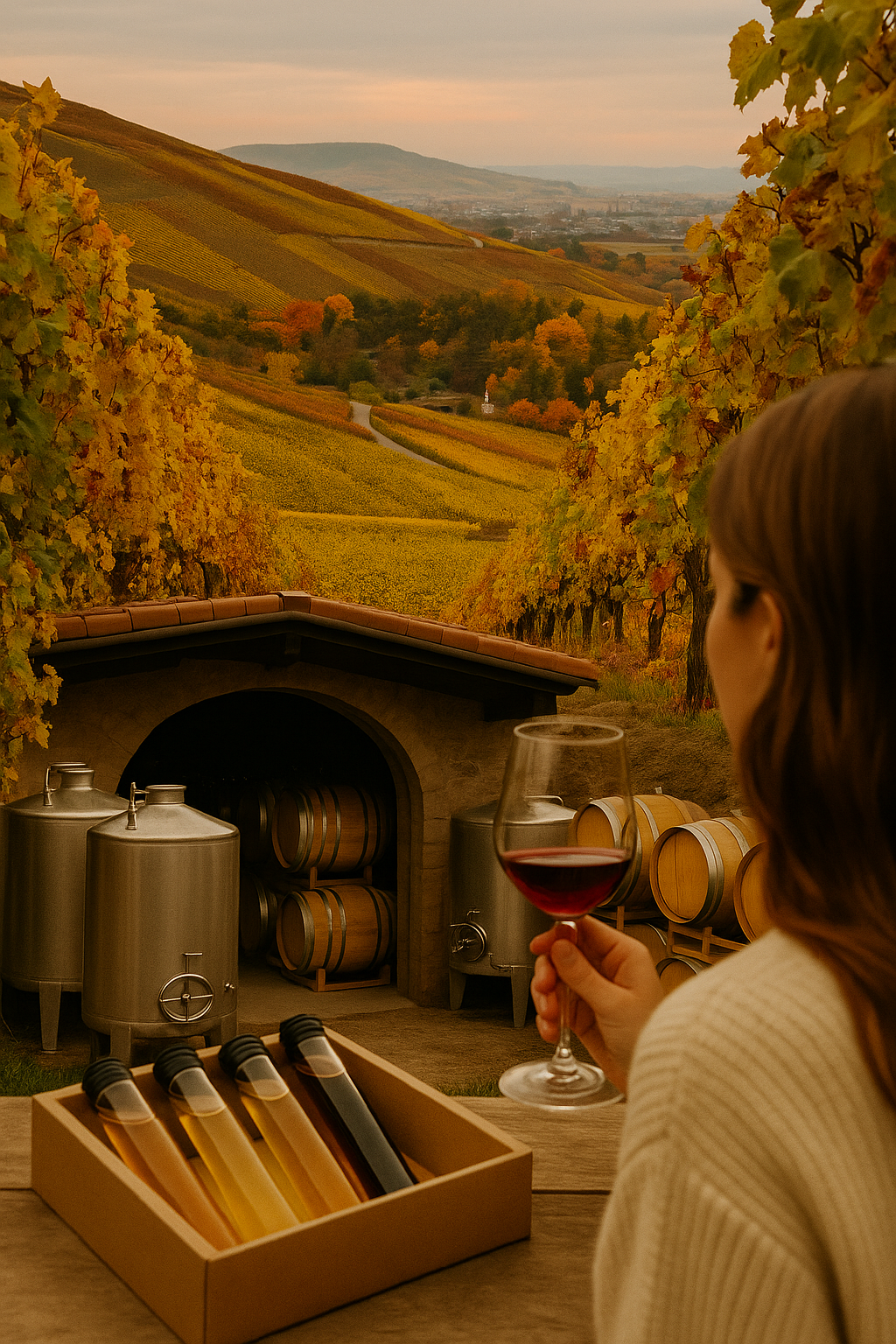
Every flight is an experience. The goal is to find something you like, learn something new, and enjoy yourself while doing it.
Grape type matters, but tasting across regions shows that terroir and technique often speak louder than the variety itself.
Tasting comparatively sharpens perception: by holding two or three wines side by side, patterns emerge that a single glass rarely reveals.
Wine is both sensory and systematic - an ongoing process of discovery rather than a static collection of favorites. The process mirrors travel to different places. Each flight offers perspective and each comparison builds understanding.
Tasting comparatively turns enjoyment into understanding: it reveals how geography, varietal, wine making / aging method, and food transform a single ingredient into different expressions and flavors.
-
Terroir — Where the Grape Grows
Terroir defines a wine’s raw material.
Soil
Climate
Latitude & altitude
Proximity to water & mountains
Slope & aspect
Together, these factors decide how fast the grape ripens and how ripe it becomes - setting the stage with the acidity, sugar, and flavor the winemaker has to work with.
-
Winemaking — How the Grapes Become Wine
Technique turns raw fruit juice into wine.
Fermentation vessel
Skin contact
Malolactic conversion
These choices balance freshness with richness and help define a wine’s structure.
-
Aging - Time and Texture
How and where a wine rests shapes its finish and longevity.
Aging vessel
Duration
Lees contact
These choices further refine the wine’s character and define it’s continued ability to age and deepen its flavor profile.
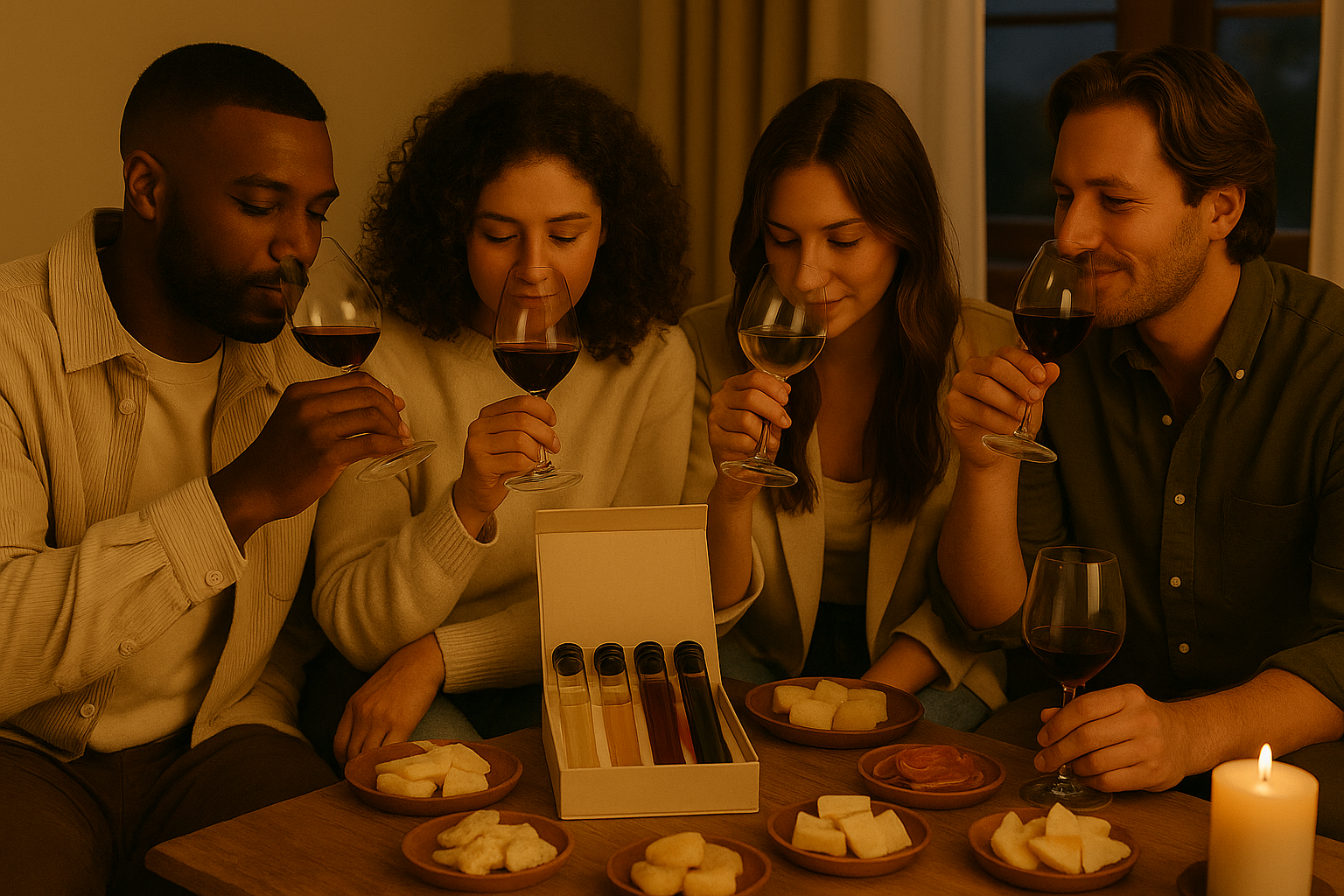
When tasting, move sequentially:
Observe color and clarity. Observe overall color, depth of color, and clarity vs. haziness.
Smell deliberately. Identify fruit, mineral, floral, or other aromas such as bread, cream, vanilla, clove, chocolate.
Taste analytically. Taste flavors of varying intensity across fruit, mineral, floral, or other categories such as baking, dairy, oak-derived; understand the role of acidity, tannin, alcohol, body, and finish.
Compare. Identify what changes between wines, and why the wines vary in color, aroma, and taste.